
Can We Ever Be Safe? The Illusion of Borders and the Need for Inner Security
(Based on the live discourse of Param Dwij)
(परम द्विज के प्रवचन पर आधारित)
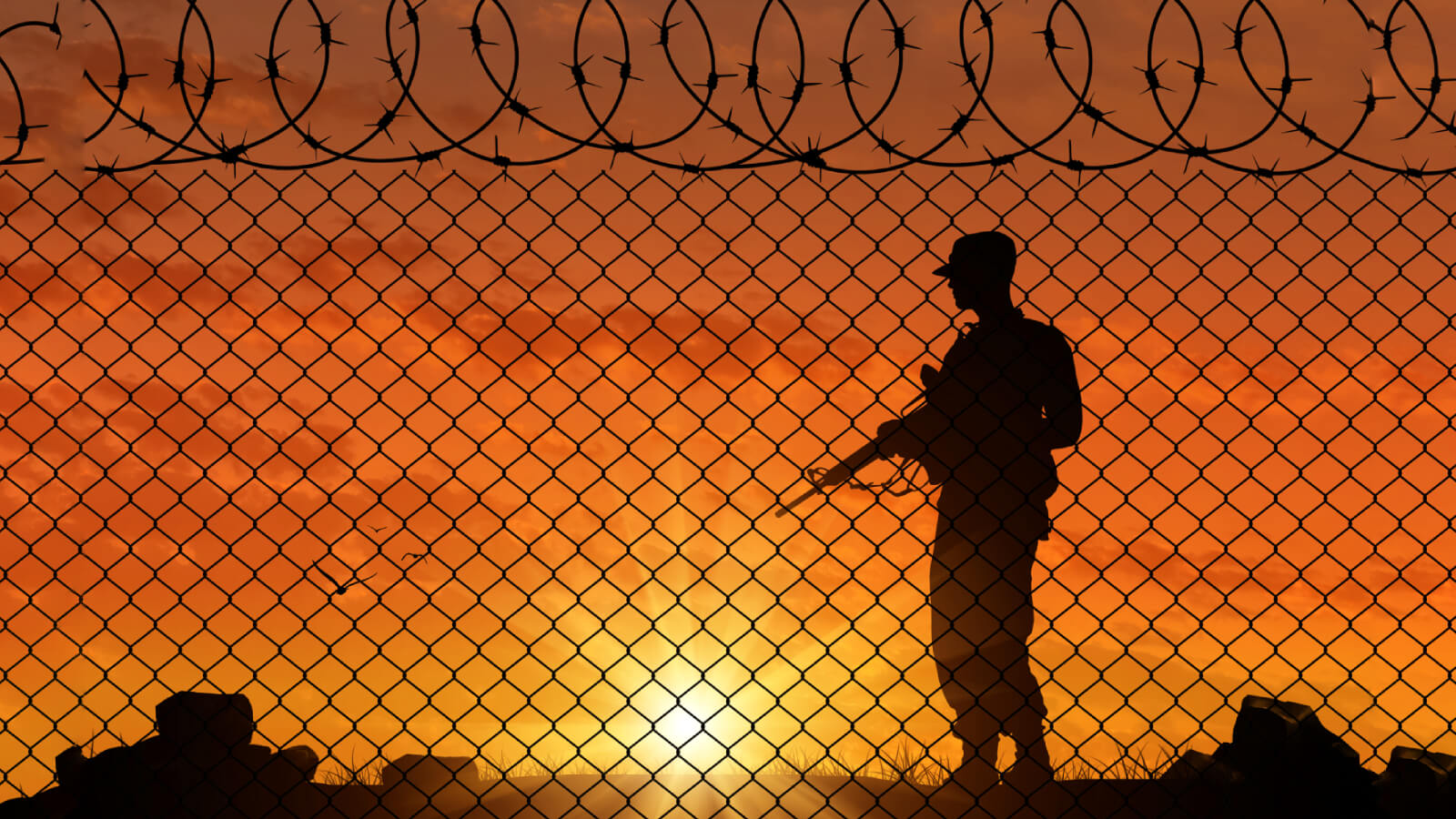
Opening Reflection:
You lock your doors, install CCTV, and scan your surroundings. But here’s the uncomfortable truth: we can never truly be safe if we don’t feel safe inside. Terrorism feeds on fear. But ironically, so does the industry that claims to protect us from it. The more we chase security through weapons and walls, the more we forget that the real battleground is not out there—it’s within us.
So let’s ask the question most politicians won’t:
What does it mean to feel truly secure in an insecure world?
The Paradox of Safety
Every time there’s a terrorist attack, our first reaction is: increase surveillance. Tighten borders. Deploy troops. It makes sense—on the surface. But here’s the paradox: we are the most watched, most armed, most technologically advanced generation in history—yet we feel more anxious than ever. Why?
Because safety isn’t just physical. It’s psychological. It’s emotional. It’s spiritual.
And that’s the part we keep ignoring.
Fear: The Currency of Control
Fear is addictive. It narrows our minds, triggers our instincts, and convinces us that survival is more important than humanity.
It also sells.
Governments use fear to justify war. Media uses it to increase ratings. Extremist groups use it to recruit. And slowly, subtly, we start building a worldview where every stranger is a threat, every difference a danger.
But what if I told you that the most dangerous thing isn’t terrorism—it’s what fear turns us into?
A society that lives in fear forgets how to love, to trust, to hope.
Living Dwij: The Call for Inner Vigilance
Dwij isn’t just a name—it’s a rebirth—a way of seeing.
One of its guiding precepts is Antardrishti—Inward Vision. It means turning the mirror inward and asking: “Where am I insecure within myself? Where have I built emotional walls so high that I see every outsider as an enemy?”
You see, inner security isn’t built on weapons or wealth. It’s built on clarity, restraint, awareness, and trust. The more anchored you are within, the less shaken you are without.
Borders vs. Bridges
We talk a lot about protecting borders, but what about building bridges? Between communities, between faiths, between hearts.
Because terrorism doesn’t cross borders with guns—it crosses with narratives, with pain, with polarization.
If a young boy in a small village is told every day that the world hates his kind… he will eventually believe it. And when someone offers him a cause—even a violent one—that promises meaning and revenge, he might take it.
Now ask: Did we really protect ourselves by ignoring him? Or did we plant the next seed of fear?
Security Isn’t a Product—It’s a Culture
What if we started measuring security not by the number of guards on the street, but by:
- The number of children who feel seen and heard?
- The number of youth who have mentors instead of mobs?
- The number of families who sleep without fear of being labelled?
That’s real security. And it can’t be outsourced to governments. It begins with us.
An Interactive Pause: Check Your Inner Borders
Take a moment and reflect:
Who in your life have you emotionally shut out due to fear or misunderstanding?
A community? A religion? A family member?
Now ask: is your fear based on personal experience, or inherited narratives?
To live Dwij is to question not just the world, but your own story—bravely, honestly.
The Role of Sanyam in a Reactive World
In Living Dwij, we often speak of Sanyam—self-restraint born out of clarity.
When terror strikes, the world reacts. But the Dwij way is to respond, not react. To take a breath before opinion. To seek the truth before vengeance. To choose action rooted in stillness.
That’s not passivity. That’s power.
Closing Thoughts: Building the Unseen Fence
The safest people aren’t the most protected—they’re the most integrated. They don’t live behind physical fences. They live with an inner grounding that no act of terror can shake.
So next time fear rises, ask not just what the government is doing.
Ask what you are doing—to create a culture of understanding, resilience, and inner strength.
Because security without compassion is just control, and true safety doesn’t come from who we keep out—but from how deeply we connect within.