
Stillness Heals: The Silent Medicine of the Soul
(Based on the live discourse of Param Dwij)
(परम द्विज के प्रवचन पर आधारित)
Param Dwij says:
“In the noise of the world, you lose yourself. In stillness, you find Brahm.”
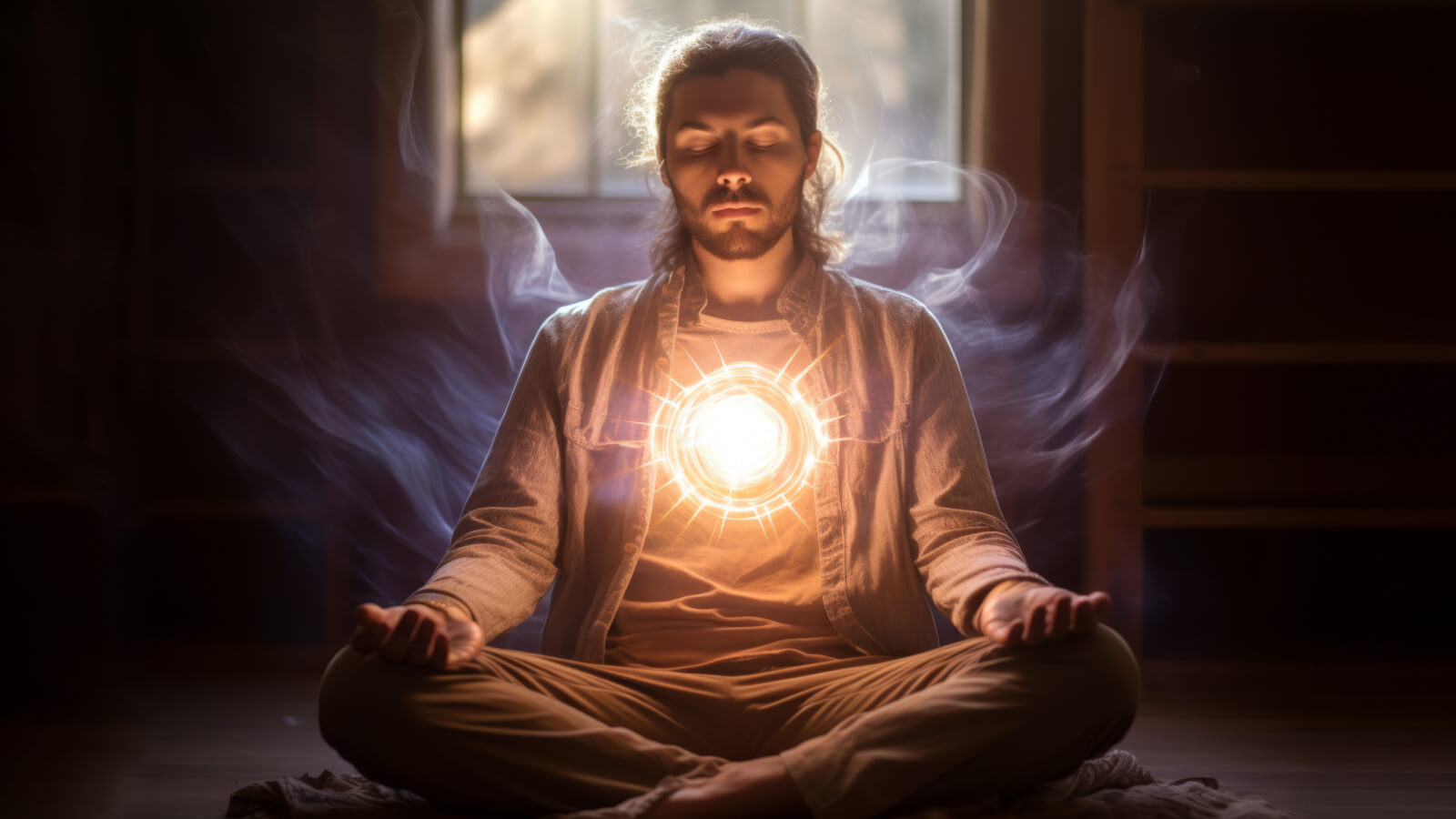
We live in an age of constant motion—scrolling, running, speaking, reacting. Silence has become uncomfortable, even threatening. But beneath all the noise, beneath all our doing, there is something far more sacred waiting for us: stillness.
Stillness should not be mistaken for idleness. It embodies a profound state of presence. In the Living Dwij philosophy, stillness is recognised as one of the deepest disciplines one can cultivate. It is not merely the absence of movement or activity; instead, it represents a heightened state of awareness and consciousness.
The essence of stillness lies in its ability to heal—not by attempting to fix what is broken, but by illuminating the truths that often lie hidden within us. When we embrace stillness, we allow ourselves to explore the depths of our thoughts and emotions, uncovering insights and revelations that may otherwise remain obscured in the noise of everyday life. Thus, stillness becomes a transformative practice, offering clarity and understanding that fosters personal growth and inner peace.
The Resistance to Stillness
Why do we fear stillness so intensely? It’s in the moments of quiet and solitude that the truth begins to unveil itself, often revealing the weight of our unresolved grief, the burdens of guilt we carry, the persistent whispers of self-doubt, and the dreams we once held dear but ultimately abandoned. In those silent spaces, the voice of the child within us—innocent, hopeful, and yearning—strives to break free from the confines of our silence, desperate to be acknowledged and heard.
In the clamour of daily life, we find refuge in distractions. The noise allows us to escape our thoughts and feelings, while constant motion provides a facade of control and purpose. However, when we seek stillness, we confront the emotions and memories we have long buried beneath layers of busyness and denial. It is both frightening and profound, for it is here, in this confrontation with our innermost selves, that healing begins to take root. By facing the unaddressed pain and acknowledging the aspects of ourselves we’ve neglected, we pave the way to transformation and restoration. Embracing stillness becomes a powerful act of courage, a necessary step toward reclaiming our wholeness.
Param Dwij says:
“Stillness does not silence your pain. It lets your pain speak—so that it may leave.”
What Makes Stillness a Medicine?
Stillness brings clarity because it slows the mental clutter.
Stillness awakens courage because it teaches us to sit with discomfort.
Stillness unlocks compassion because it reveals the parts of us, we’ve been punishing or ignoring.
Stillness reconnects us to Oneness because it softens our sense of separateness.
And most importantly, stillness reminds us of our true self—not the one shaped by fear, success, or trauma, but the one rooted in consciousness, in Brahm.
The Dwij Way of Entering Stillness
In the Living Dwij path, stillness is not just a mood. It is a discipline. A Dwij—a soul reborn into conscious living—practices stillness not to escape the world, but to meet it with depth.
Here are three simple Dwij practices to begin:
- Morning Silence Ritual
The first five minutes of your day—before checking your phone or speaking to anyone—are sacred. Sit. Breathe. Witness. No agenda. - Sthir Seva (Still Service)
Do one act of kindness—sweeping, watering plants, cooking—with full attention and no hurry. Let stillness enter through simplicity. - Digital Fasting
Choose one hour each day to unplug. No screens. No content. Just presence. Let your nervous system reset.
Param Dwij says:
“Stillness is not what you reach. It is what remains when you stop reaching.”
Stillness and the Nervous System
From a psychological and biological perspective, stillness activates the parasympathetic nervous system—the “rest and restore” mode. It lowers cortisol, reduces heart rate, and enables the brain to shift out of its survival mode.
Trauma often traps us in hypervigilance. Stillness slowly teaches the body that it is once again safe. This is not spiritual fluff—it’s neurological truth. And Living Dwij, while deeply spiritual, honours this scientific understanding. The soul heals when the body feels safe.
Learning to Stay With Yourself
Healing requires staying. Staying with the ache, the longing, the memory. Staying even when it’s awkward. Most of us want to flee when discomfort surfaces. But every wound longs to be witnessed. Stillness offers that witnessing.
It says: I see you. I’m not going anywhere.
That, in itself, is healing.
Param Dwij says:
“To stay with yourself is the highest loyalty. Even God arrives where you do not run away.”
Closing Thought
Stillness will not always be peaceful. Sometimes it will be chaotic. Sometimes it will bring up old hurts. But let it. Because in that sacred pause, something begins to shift. Something loosens its grip. Something breathes for the first time in years. The world may continue to spin. But you—you can choose stillness. You can choose to stop, breathe, and come home to yourself.
And in doing so, you do not lose time. You reclaim it.