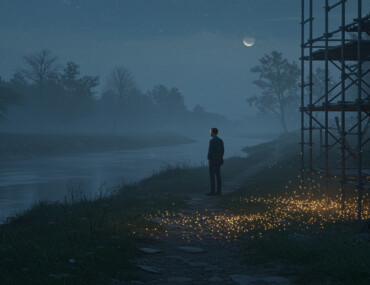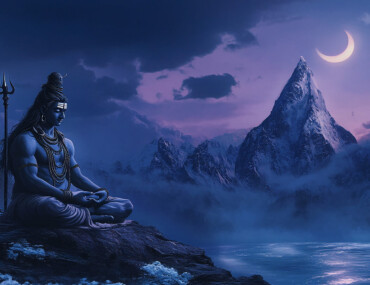
The Sacred Pause: Reclaiming Inner Rhythm in a World That Won’t Stop Moving
(Based on the live discourse of Param Dwij)
(परम द्विज के प्रवचन पर आधारित)
Param Dwij says:
“When you stop moving, the soul starts speaking. The pause is not a delay—it is the doorway.”
The Speed of Modern Life Is Not Meant for the Soul
In today’s world, speed is rewarded, praised, and even worshipped. We wake up to notifications and dive headfirst into timelines, emails, and the expectations that come with them. Before the mind can even register its own clarity, we are already reacting to the outside world. The faster we go, the more successful we are perceived to be. Productivity becomes a metric of worth. Stillness becomes synonymous with laziness.
And yet, somewhere deep within, a quieter voice aches to be heard. This voice doesn’t shout. It whispers. It doesn’t demand more; it simply asks for space. For stillness. For breath. In the Living Dwij way of life, this call for stillness is not viewed as an escape from reality. It is considered as a return to it. The world may race forward at breakneck speed, but your soul—timeless and eternal—moves to a much slower, more deliberate rhythm. It moves to the rhythm of presence.
The Cost of Never Pausing
Without realising it, we become addicted to movement. We jump from task to task, role to role, screen to screen. When one meeting ends, another begins. When the workday finishes, social obligations or digital consumption take their place. Eventually, we begin to notice the toll that it takes. The body stays busy, but the spirit starts to fray. We feel tired, not just physically, but existentially—like something inside us is unravelling.
This is what I call pause deprivation. It manifests as emotional numbness, creative block, heightened anxiety, and a low-grade but persistent sense of disconnection—from others, from purpose, and most importantly, from ourselves. The soul, neglected, starts to retreat. And in that withdrawal, we begin to forget who we are beneath all the doing. We forget that life was never meant to be this rushed.
Param Dwij says:
“Stillness is not what comes after your work is done. Stillness is what makes the work real.”
The Power of Pausing: What We Gain by Slowing Down
When you pause—not for distraction, but for presence—something subtle and sacred begins to unfold. You begin to notice the small things: the weight of your breath, the texture of silence, the emotions beneath the surface. The world slows down, not because it actually has, but because your awareness has sharpened. In that space, clarity arises. You begin to respond rather than react. You begin to remember what matters.
The sacred pause is not about idleness. It’s not about abandoning life or becoming less ambitious. It’s about doing everything from a place of alignment. Instead of rushing into the next thing, the pause teaches you to check in with yourself. Is this aligned with who I’m becoming? Is this action coming from fear or clarity? Do I even want to continue in this direction?
Without pause, we live on autopilot. With pause, we reclaim our power of choice.
The Three Dimensions of a Sacred Pause
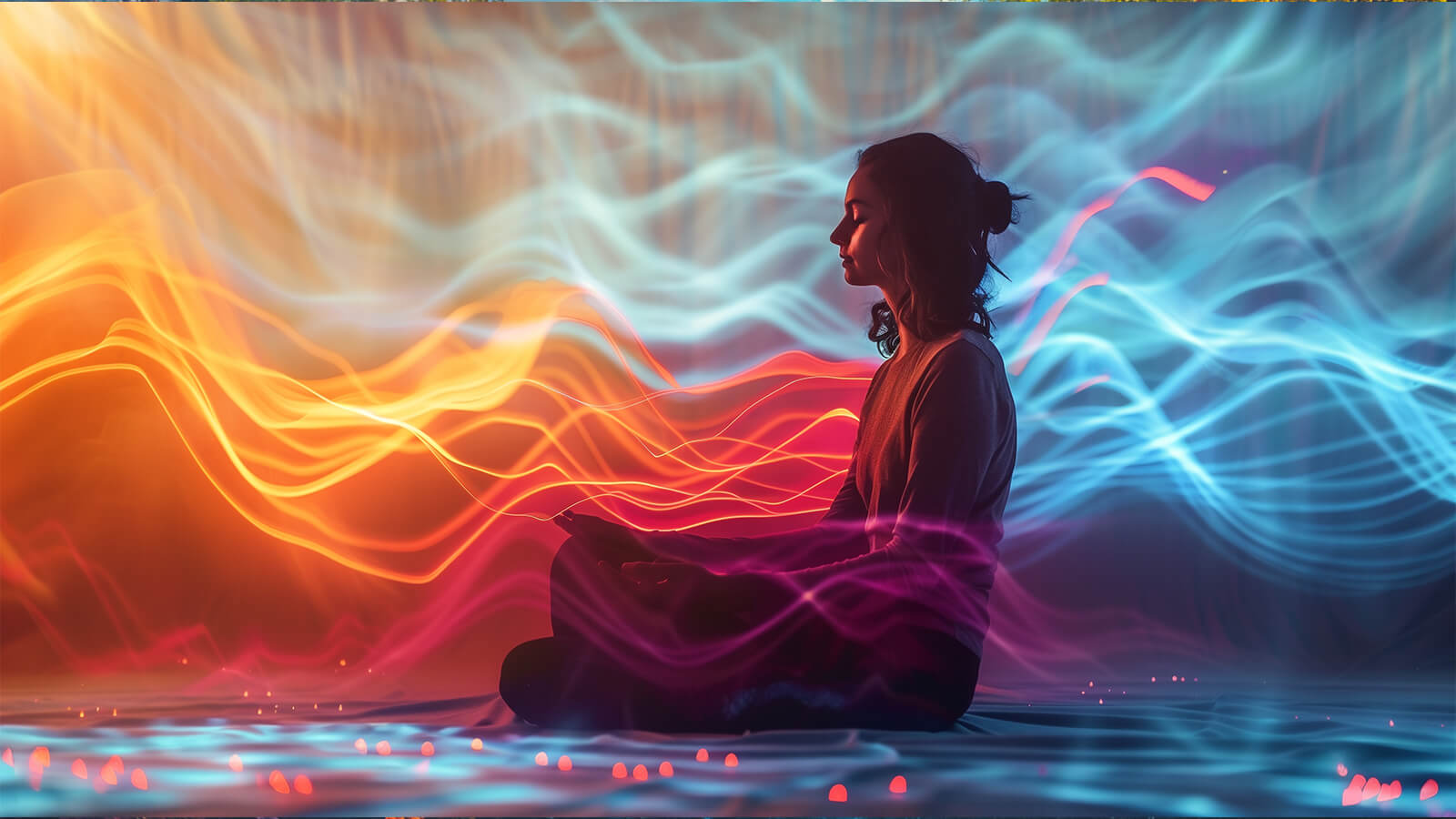
In the Living Dwij philosophy, pausing is not a passive act. It is an active form of devotion—a way to honour the tri-fold reality of being human: body, mind, and soul. Each layer has its own need for stillness.
First is the sensory pause, which reconnects you to the body. This may be as simple as walking barefoot on grass, drinking water slowly, or taking a ten-minute break from all screens. Our bodies are overstimulated, but underattended. The sensory pause allows the body to return to its own natural rhythm.
Second is the mental pause, where we learn to witness rather than chase thoughts. It isn’t about silencing the mind through force. It’s about noticing the mind’s momentum and gently bringing it back to the breath, back to awareness. Even five minutes of conscious sitting, eyes closed, can be enough to experience this.
Finally, there is the spiritual pause, which is the most profound of all. It is the stillness where all identities are surrendered. Where there is no ‘I’ trying to do or become. There is just presence. Just being. This space is rarely touched unless we intentionally make room for it. But when we do, we discover that behind all the noise, we have always been whole.
Why We Resist the Pause (And Why That’s the Real Work)
If the pause is so healing, why do we avoid it?
Because pausing is uncomfortable, it brings up what the noise was keeping at bay. Old emotions. Unanswered questions. Unprocessed grief. Unacknowledged truth. The pause acts like a mirror—and mirrors, when held without filters, reveal things we might not be ready to see.
But that discomfort is the path. You cannot heal what you do not face. You cannot change what you refuse to feel. And so, the sacred pause becomes a practice of emotional courage. A place where you say to your inner world, “I’m listening now. You don’t have to shout anymore.”
Param Dwij says:
“Stillness does not silence the pain. It holds it until it transforms.”
Practical Ways to Integrate the Pause
You don’t need a retreat or a sabbatical. You just need intention. Begin small. Add micro-pauses to your day.
Take a conscious breath before replying to any message. Place your hand on your chest and ask, “What do I feel right now?” before diving into a meeting. At the end of the day, sit with your eyes closed for three minutes and simply witness your body breathing.
Set aside one hour a week as an “empty hour”—no tasks, no stimulation, no expectations. Let it unfold naturally. Boredom is often the gateway to deeper presence.
Create rituals around transitions—pause between your work self and home self. Pause between finishing a meal and returning to the day. These little moments of stillness add up. Over time, they form an inner sanctuary you can return to at will.
Living a Life That Breathes
The more we practice sacred pausing, the more we begin to live differently. We start to notice that clarity often comes not from thinking harder, but from thinking less. That the body heals not through constant action, but through deep rest. That relationships flourish not from continual talking, but from intentional presence. That creativity blooms not in pressure, but in space.
Slowly, we realise that our value does not come from how fast we move or how much we do. It comes from how awake we are while doing it.
And in that awareness, something ancient returns. A rhythm older than deadlines. A wisdom deeper than trends. A self that no longer needs validation to feel whole.
Param Dwij says:
“You are not falling behind. You are falling into alignment.”
Final Thoughts: The Pause as Portal
In the end, the sacred pause is not a break from life. It is a portal into a deeper life—one that isn’t dictated by external noise, but guided by internal truth. It doesn’t ask you to withdraw from the world. It asks you to engage with the world from a place of centred presence.
So take the pause. Not someday. Not when things settle down. Not when you’ve earned it.
Now.
Sit. Breathe. Listen.
Let the world race ahead if it must.
But you—come home.
Because sometimes, the most radical thing you can do in a world addicted to urgency is simply this:
Be still.