
The Subtle Art of Emotional Awareness
(Based on the live discourse of Param Dwij)
(परम द्विज के प्रवचन पर आधारित)
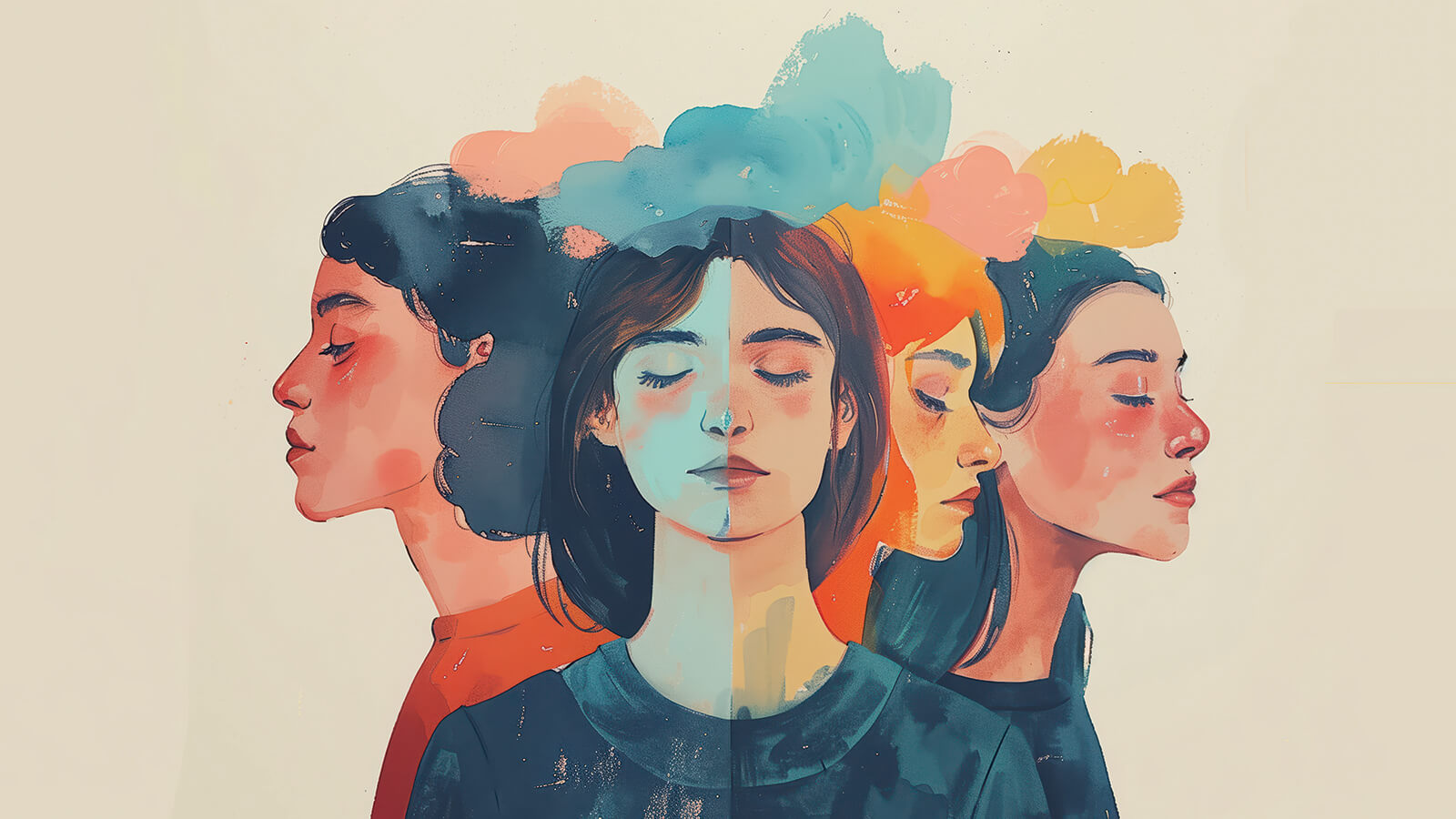
Emotions are among the most immediate and influential aspects of human experience, yet they remain one of the least understood. They shape our reactions, influence our decisions, and colour our perception of reality, often without our conscious awareness. Most individuals develop their relationship with emotions through patterns rather than understanding. Some become overwhelmed, allowing emotions to dictate their behaviour entirely. Others suppress them, believing that control over emotion equates to strength. Both approaches, though opposite in expression, share a common limitation—they lack awareness.
The Living Dwij philosophy approaches emotions not as problems to be solved or weaknesses to be hidden, but as movements within consciousness that require understanding. Emotional awareness begins with a simple but often overlooked act: observation. Instead of immediately reacting to what we feel, we pause and notice it. This pause creates space—a space in which awareness can arise.
Param Dwij often emphasises that this space is transformative. Without it, emotions move directly into action. Anger becomes reaction, fear becomes avoidance, sadness becomes withdrawal. With awareness, however, the same emotions can be understood before they are expressed. This does not suppress them; it clarifies them.
Every emotion carries information. Anger may indicate a boundary that feels violated. Fear may reflect uncertainty or perceived threat. Sadness may point toward loss or unfulfilled longing. When we approach emotions with curiosity rather than resistance, they begin to reveal their underlying patterns. We start to see not just what we feel, but why we feel it.
This process requires patience because the mind is conditioned to seek immediate resolution. It wants discomfort to end quickly. Emotional awareness, however, is not about quick solutions. It is about sustained presence.
As we remain present with our emotions, we begin to notice their impermanent nature. No emotion remains constant. It rises, intensifies, and eventually fades. When we observe this directly, our relationship with emotion changes. We no longer fear being overwhelmed because we recognise that emotions are transient.
In relationships, this awareness becomes particularly significant. Many conflicts arise not from the situation itself, but from unexamined emotional reactions. When two individuals react without awareness, misunderstanding escalates. When at least one person responds with awareness, the dynamic shifts. Communication becomes more measured, less reactive, and more open to understanding.
The Living Dwij path also emphasises responsibility—not in the sense of blame, but in the sense of ownership. Instead of attributing our emotional state entirely to external circumstances, we begin to explore its internal roots. This does not deny the influence of others, but it prevents us from becoming dependent on external change for internal stability.
As we cultivate emotional awareness over time, we gradually achieve a profound sense of balance in our lives. This shift does not imply that our emotions simply vanish; rather, we learn to navigate them with greater ease and understanding. We become less reactive to emotional stimuli, realizing that we are no longer at the mercy of our feelings. Instead, we develop the ability to observe our emotions as they arise, allowing us to engage more fully and meaningfully with the world around us.
This enhanced balance opens the door to richer experiences in our daily lives. For instance, we can immerse ourselves in joy without the urge to cling tightly to that happiness out of fear of losing it. Similarly, we can face sadness with resilience, allowing it to wash over us without letting it drag us down into despair. When we encounter anger, we find ourselves responding in constructive ways rather than allowing it to wreak havoc or cause harm to ourselves or others.
Ultimately, the journey toward emotional awareness is less about exerting control over our feelings and more about gaining clarity. This clarity empowers us to see our emotions for what they are—temporary states that inform us about our needs and desires—rather than overwhelming forces that dictate our actions. Within this newfound clarity, we discover a deeper form of stability. This stability supports us even as the tides of our emotional landscape ebb and flow, providing us with a solid foundation from which we can navigate life’s ups and downs with grace and resilience.