From Pahalgam to Purpose: India’s Spiritual Reclamation
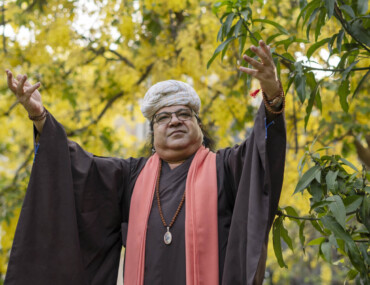
(Based on the live discourse of Param Dwij)
(परम द्विज के प्रवचन पर आधारित)
The recent attack on Pahalgam transcended a mere physical assault on our landscape; it was an insidious attempt to penetrate the very essence of India’s pluralistic identity. Rather than achieving its intended goal of division and despair, this act of terror has sparked an awakening within our nation, fostering a deeper understanding of who we are as a collective. As the scholar Param Dwij poignantly articulates,
“Every act of terror plants the seed of awakening in the soil of the devoted.”
In the face of such adversity, India is not simply resorting to military might and fortified borders. Instead, we are responding with a profound wisdom that reflects our rich cultural heritage and resilient spirit. This resurgence of national consciousness is a testament to our ability to unite in the face of challenge, to draw strength from our diversity, and to reaffirm our commitment to coexistence and peace. In this pivotal moment, the nation stands not just armed but enlightened, ready to embrace a future built on understanding and solidarity.
1. National Unity Campaigns: Healing Through Oneness
Across the diverse landscapes of India, in temples, mosques, gurdwaras, and churches, heartfelt prayers were offered not only for the victims of recent tragedies but also for a collective awakening of humanity. These sacred spaces became hubs of solidarity, where individuals gathered to reflect on the profound interconnectedness of all lives, irrespective of faith or background.
Cultural and interfaith dialogues have emerged as vital platforms aimed at reinforcing the belief that no ideology, no deep-seated grievance, can ever justify the taking of innocent lives. These conversations emphasize the importance of understanding and compassion, serving as a reminder that empathy and harmony are the true measures of progress.
This resilience and unity in the face of adversity is arguably India’s greatest strength: its remarkable ability to embrace diversity, even amidst profound pain. Param Dwij eloquently encapsulates this spirit, stating, “The soul of Bharat cannot be divided by bullet or blade because its foundation is love.” His words resonate deeply, highlighting that love and compassion are the unbreakable bonds that hold the nation together, transcending all divides.
2. Rebuilding Trust in the Valley
Security is undeniably crucial in any region, yet the approach to security must be nuanced; when it’s devoid of sensitivity, it can lead to an atmosphere of fear and mistrust. In light of this, India has embarked on a transformative journey to engage the youth of Kashmir through a variety of impactful initiatives. These include educational programs designed to empower young minds, livelihood initiatives aimed at providing economic stability, and trauma counselling to address the psychological scars left by the conflict. While these actions may not garner extensive media coverage, they play a vital role in mending the psychological and emotional wounds within the community.
The path to sustainable development is often long and winding. As Param Dwij eloquently puts it, “The longest journeys are often the ones that restore the soul.” Each effort to rebuild a home, educate a child, or heal a mind contributes to the creation of a new Kashmir—one rooted in resilience, hope, and a sense of community. With every step taken in this direction, we are not just addressing immediate needs; we are fostering a future where peace and prosperity can thrive, transforming the region one meaningful initiative at a time.
3. Empowering Spiritual Leaders as Peace Ambassadors
Understanding the profound spiritual foundations that permeate our culture, both the government and civil society are urging religious leaders to take on the vital role of torchbearers for peace. In times of conflict, their influence transcends what military might can achieve. Their messages have the unique power to bring comfort and understanding where even the most carefully crafted policies may falter.
This conflict extends beyond mere battles for land; it is fundamentally a struggle over narratives and beliefs that shape our identities. When respected figures within the faith community advocate for harmony, the barriers of mistrust begin to dissolve. Similarly, when those who seek truth and understanding lead the way, the shadows of fear and division recede, making space for dialogue and reconciliation. Religious leaders, therefore, hold a crucial position in guiding their communities toward a more peaceful coexistence, emphasizing that lasting change must begin within our hearts and minds.
4. Global Diplomacy: Speaking the Language of Justice
India has once again emphasized the urgent need for collective international efforts to combat state-sponsored terrorism. In its addresses at various global forums, the nation has articulated its stance not with anger or bitterness but rather with a firm sense of determination and purpose.
As the esteemed thinker Param Dwij once articulated, “Justice does not seek revenge. It seeks restoration. But it also demands remembrance.” This notion resonates deeply as we reflect on Pahalgam—not merely as a site of loss but as a pivotal moment in our history when we chose to embrace the path of light over the darkness of retaliation and the power of resolve over the impulse of rage.
This remembrance compels us to acknowledge the struggles faced and the lives affected while reinforcing our commitment to pursue justice in a manner that fosters healing and unity rather than perpetuating cycles of violence. By advocating for solidarity and collective action against the scourge of terrorism, India stands at the forefront of a global movement that seeks not just to remember but to restore peace and security for all nations.