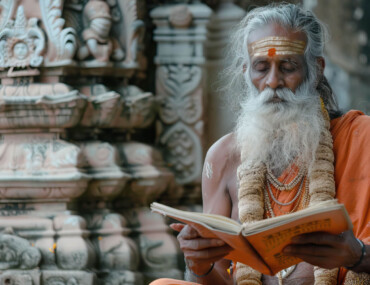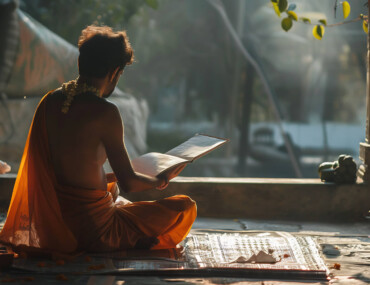
“Hinduism” – A Journey Beyond the Known
(Based on the live discourse of Param Dwij)
(परम द्विज के प्रवचन पर आधारित)
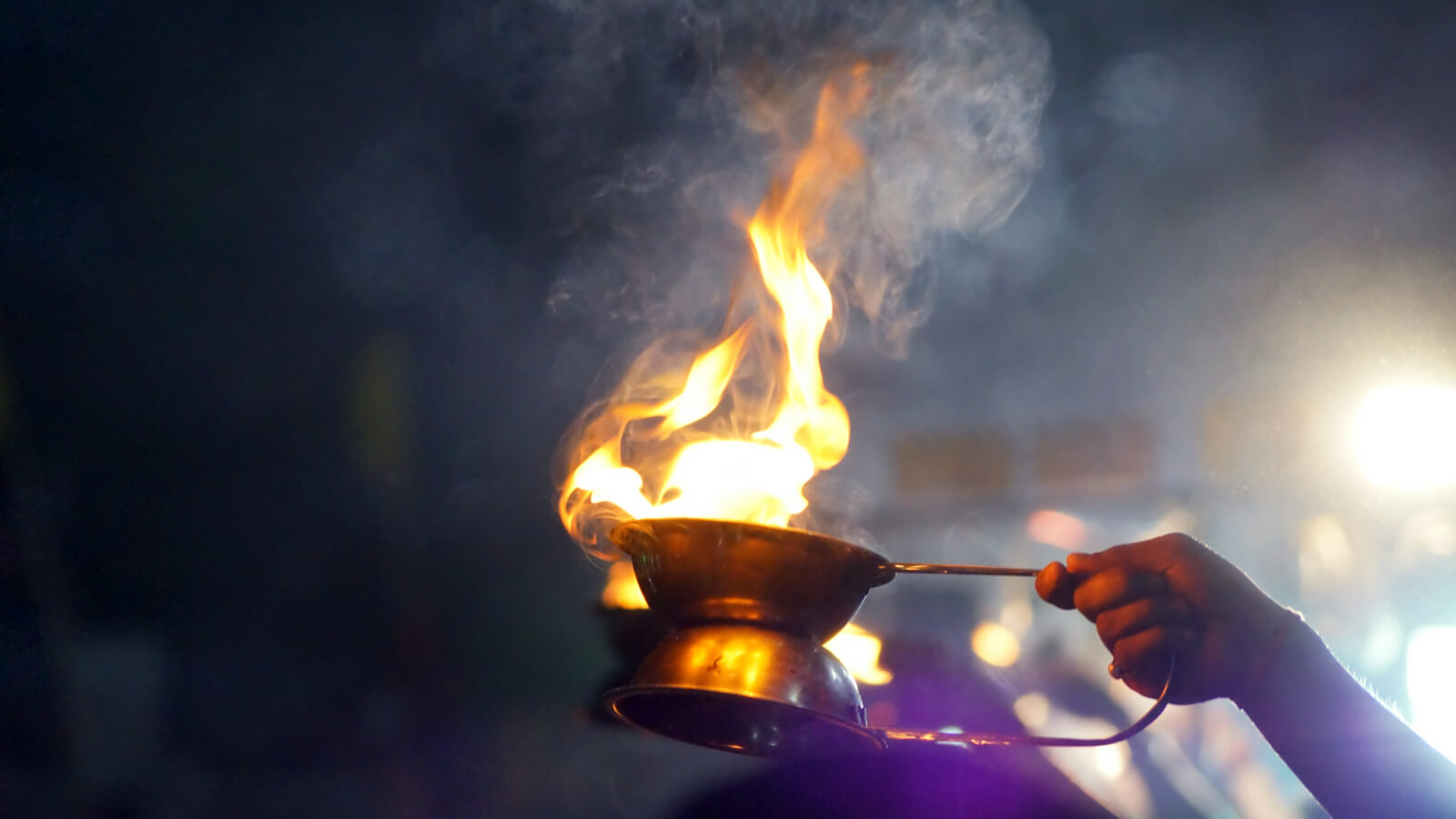
Have you ever stopped to think about what it means to be a part of a religion without a clear founding moment? There are no prophets coming down from the sky, no commandments written in stone for everyone to see, and no one day or occasion that marks the beginning of Hinduism. Instead, we uncover a multi-layered fabric of customs and beliefs that have developed over millennia.
Hinduism embodies a philosophy that goes beyond simple belief systems. It is commonly known by its ancient name, ‘Sanatana Dharma’, which means “The Eternal Way of Living.” It is a call to explore and find the essence of life and our role in it. The meaning of life is explored in Hinduism. A lot of stories, customs, rituals and spiritual practices that reflect the diversity of the human experience are woven throughout this tradition. It encourages followers to pursue enlightenment and personal development by highlighting not only faith but also action, discipline, and understanding.
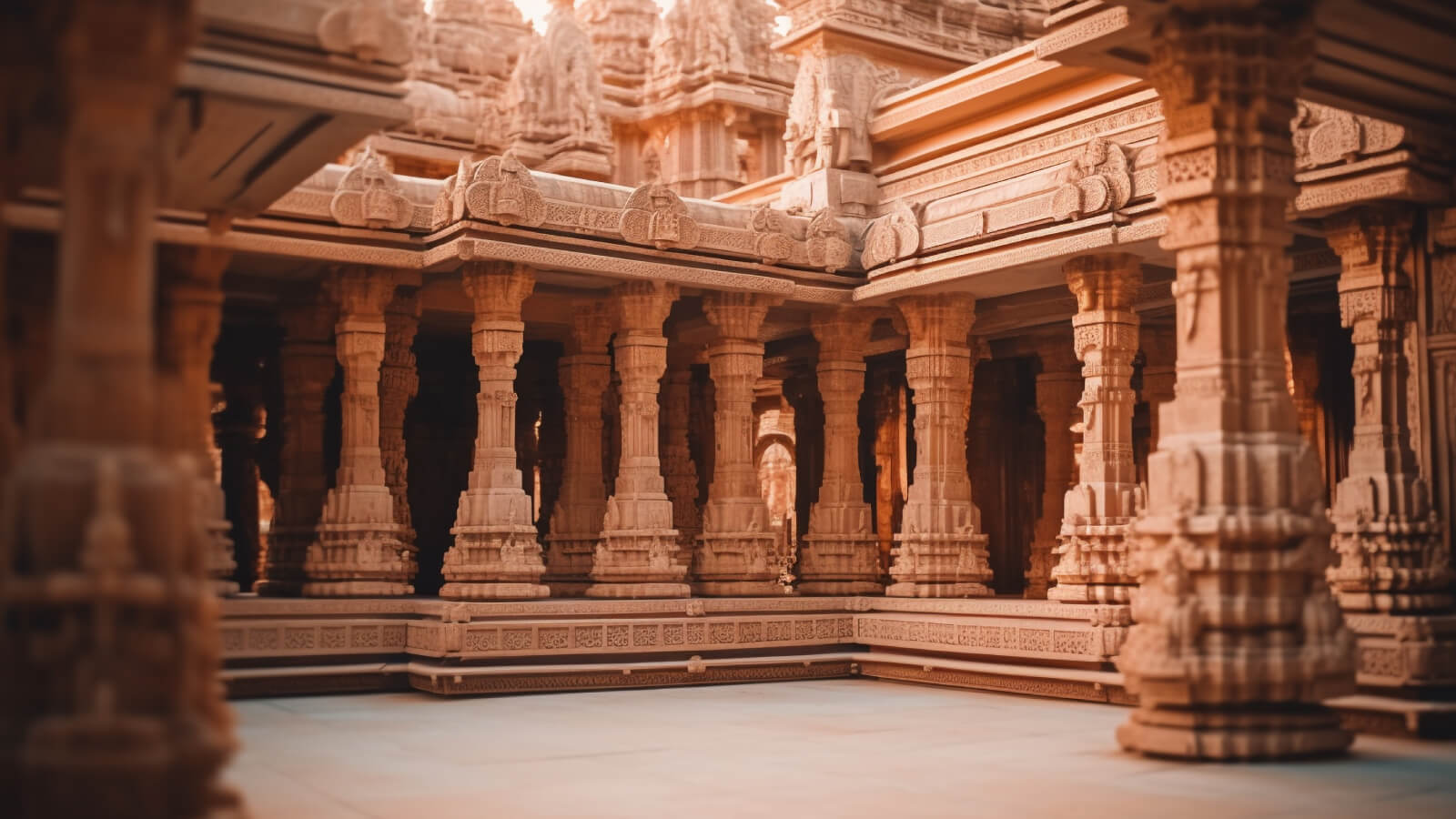
Hinduism offers ways to comprehend the cosmos and oneself in connection to it through its scriptures, such as the Vedas and Upanishads, as well as its numerous gods and philosophies. It is a dynamic and ever-changing living tradition that encourages people to interact with their spirituality in a way that profoundly affects their own lives. In this way, it is much more than a religion; it is a way of being, a continual journey of discovery that transcends time and place.
Let’s begin with something elemental: nobody invented Hinduism. Isn’t that utterly fascinating? There’s no prophet you can point to and say, “Ah, he wrote the rules.” It’s more like air or light — it was always there. And over generations, those who dared to become silent… listened. Those who turned inward — the Rishis, the seers — didn’t write scriptures in pursuit of power. They heard the cosmic truths. They discovered — not decided — what it is.
Truths that flowed like sacred rivers into the Vedas, the Upanishads, the Bhagavad Gita, and the great epics of Ramayana and Mahabharata. Truths that whisper through the verses of sages and the silence of yogis. Some even say Hinduism emerged with the cosmos itself — timeless, boundless.
But here’s a sincere question: when we say “truth” — what do we really mean?
Because here’s the wonder of it: Hinduism doesn’t claim to give you the truth — it encourages you to seek your truth. That’s its quiet strength. It doesn’t preach, it invites. No rush, no shame, no pressure. Just presence. It’s just a mirror.
It hands you the tools — rituals, philosophies, stories, symbols, songs — and then gives you the freedom to ask the most sacred questions:
Who am I? Why was I born? What is the soul? Does something continue after this body fades? Is there a final resting place or an eternal journey?
And the answers? They aren’t handed down. They’re earned through experience, silence, and reflection. That inward gaze — that journey — is Hinduism.
The Freedom to Seek, The Courage to Question
Now let me gently remind you — Hinduism never cages you. It doesn’t demand unquestioning belief. It doesn’t say, “This is God, obey.” Instead, it whispers, “Sit. Breathe. Go within. Ask again.”
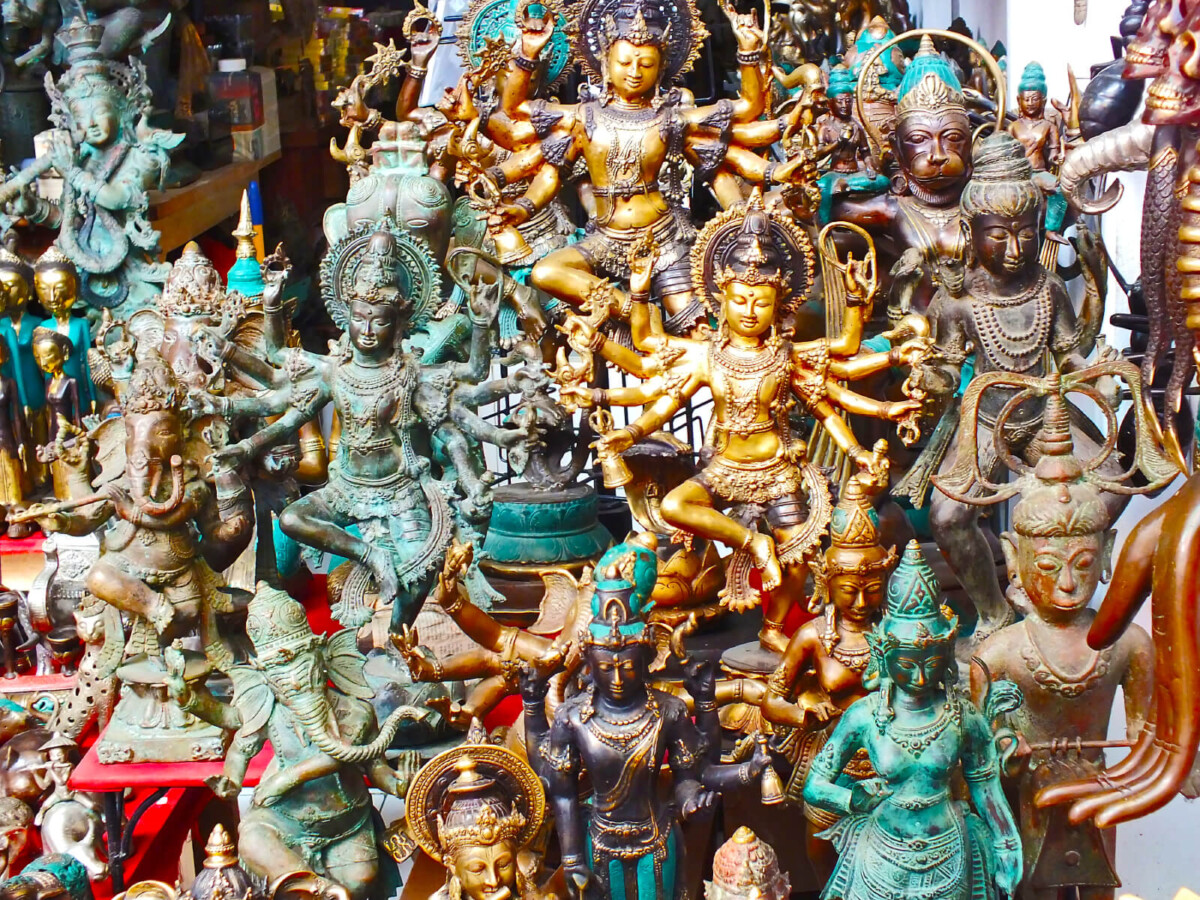
You may choose Vishnu, Shiva, Durga, Krishna, or Ganesha, or choose no deity at all. You may find God in a temple, under a tree, in a sunset, or within your breath. You may chant mantras, perform homas, meditate in silence, or serve in action. You may walk many paths, but all are valid; all are sacred.
Why? Because in Hinduism, liberation (Moksha) is not about rules — it is about Realisation. Realising that you are not this body, not just this mind, but Atman — eternal soul, unchanging, divine.
To guide this realisation, the sages offered many Yogas — spiritual disciplines:
Raja Yoga: This path emphasizes the ability to master the mind through meditation. It involves a systematic approach to mental discipline that includes techniques like concentration, breath control, and mindfulness. By cultivating a deep sense of inner peace and self-awareness that surpasses the distractions of the outside world, Raja Yoga practitioners aim to reach enlightenment.
Bhakti Yoga: This spiritual path revolves around surrendering to the divine through love and devotion. It is characterized by a deep emotional connection and reverence for God, often expressed through prayer, chanting, and rituals. Bhakti Yoga teaches that through acts of love and devotion, one can experience a profound sense of connection with the divine, transforming the heart and spirit in the process.
Karma Yoga: The goal of this discipline is to discover God via selfless deeds. It places a strong emphasis on carrying out one’s obligations with objectivity and without anticipating compensation. Karma Yoga practitioners seek to purify their intentions and cultivate a spirit of humility and compassion by practising selfless service and altruism, acknowledging the interconnectedness of all beings.
Jnana Yoga: Realizing truth via in-depth research and philosophical investigation is the main goal of this route. It entails the search for wisdom and knowledge, pushing practitioners to reflect, explore the nature of reality, and challenge their beliefs. Jnana Yoga aims to reveal the ultimate truths of life via study and introspection, promoting a greater comprehension of the self and the cosmos.
Your life’s journeys are distinct and unique, influenced by your own experiences, convictions, and personalities. While some are direct and clear, others might be convoluted, ambiguous and dangerous. Every journey reflects the diversity of human existence by offering unique rewards and challenges. However, all paths eventually lead to the same destination—the profound state of self-realization—despite our varied routes and the diverse landscapes we traverse. As we work toward fulfilment, this common goal encourages us to explore our true selves in depth, leading to growth and understanding.
And so, within Hinduism, you’ll find many philosophies coexisting:
- The dualism of Dvaita, where soul and God are eternally distinct
- The non-dualism of Advaita, where all is Brahman, one without second
- The mystical insights of Tantra, the logic of Nyaya, the metaphysics of Samkhya, the devotion of Vaishnavism, the silence of Vedanta
In the words of Param Dwij, truth is a diamond, and each angle shows a different light.
So What Makes It a Religion?
Let’s stretch our definition for a moment. If a religion is a system to connect with the divine, then Hinduism is a universe. A cosmos of practices and ideas.
There may be no single commandment or uniform ritual, but Hinduism is united by core principles:
- Karma: Every action has consequences, shaping your present and future. Not punishment, not reward — just cosmic balance.
- Atma: The soul — infinite, unborn, undying.
- Punarjanma: Rebirth — the wheel of life spinning until one awakens.
- Moksha: Liberation — the soul’s return to Brahman, the Absolute.
And then there are the four pursuits of human life, the Purusharthas:
- Dharma – living with purpose and righteousness
- Artha – earning and sustaining wealth ethically
- Kama – fulfilling desires in balance
- Moksha – transcending desire, merging with the infinite
These are not goals in conflict but in harmony — a sacred balance.
The Sacred Library of the Infinite
If you’re wondering where all of this comes from — let’s walk into the library of the ancients.
Hindu scriptures are divided into two:
- Shruti – “that which was heard” – revelations received by sages during deep meditation
- Smriti – “that which is remembered” – sacred traditions, epics, and teachings remembered and recorded
Shruti includes:
The Rig Veda: This ancient collection of hymns explores themes of creation, nature, and divine order while paying homage to the cosmic forces and deities. It is considered a foundational scripture in Hindu tradition and is among the oldest texts in human history.
The Sama Veda: This text, sometimes referred to as the “Veda of Chants,” emphasizes the musical component of worship. It emphasizes the value of sound and rhythm in spiritual practices and is mainly composed of melodies and hymns sung during ceremonies and rituals.
The Yajur Veda: This compilation is a guide to rituals and sacrificial rites, providing detailed instructions for performing various ceremonies. It serves as an essential resource for priests and practitioners, outlining the appropriate mantras and procedures necessary for effective worship and offerings.
The Atharva Veda: This Veda is unique in that it covers a broad range of subjects, such as common prayers, practical magic, and therapeutic methods. Through a variety of rites and invocations, it provides advice on protection, prosperity, and health while attending to the necessities of everyday life.
Each Veda is divided into:
Samhitas: These are collections of mantras and hymns that form the foundational texts of Vedic literature and are used in various rituals and ceremonies to invoke divine blessings and cosmic order.
Brahmanas: Thorough ritual manuals that offer comprehensive guidance on performing Vedic rites, examining the meaning and symbolism of various customs and stressing the significance of following established rites.
Aranyakas: Texts that offer teachings specifically designed for hermits and forest dwellers, focusing on meditation, ascetic practices, and the search for truth, while emphasizing a deeper connection to nature and the spiritual journey.
Upanishads: Philosophical discourses filled with profound spiritual wisdom, addressing fundamental questions about reality, the nature of the self (Atman), and the concept of the divine (Brahman), encouraging seekers to explore and realize their own inner truth beyond traditional rituals.
Smriti includes:
Ramayana: The story of Lord Rama is told in this ancient epic literature, which also examines vivid themes of righteousness, virtue, and the hardships of exile. It narrates the story of Lord Rama’s journey from his home, the kingdom to the forest, his unwavering commitment and devotion to duty, and his eventual victory over evil, signifying the victory of dharma over adharma.
Mahabharata: An extensive and complex epic literature that explores the intricacies about dharma, personal ethical and moral obligations, and the unavoidable forces of fate that we all have to deal with in our lives. It offers a deep examination of interpersonal relationships, human nature, and the cosmic forces at work, ultimately raising doubts about the foundations of justice and righteousness. It is centred on the great Kurukshetra War.
Bhagavad Gita: Prince Arjuna and his charioteer, Lord Krishna, have a philosophical conversation on the battlefield. This holy book discusses the nature of duty, love, and the road to emancipation in order to address the moral quandaries that people encounter. It promotes self-discovery and figuring out one’s actual life purpose through its teachings.
Puranas: A collection of mythological and lore-rich ancient texts that narrate fascinating stories about the creation of the universe, the cyclical nature of time, and divine beings. These stories not only enhance Hinduism’s cultural landscape but also shed light on the spiritual and philosophical laws that underpin life.
Dharma Shastras: A body of literature that offers comprehensive guidelines for moral conduct and civic responsibilities. They cover a wide range of topics, such as law, morality, ethics, and rituals, among others. They also provide a blueprint that enables people to follow cosmic law while navigating the complexities of their personal and societal responsibilities.
Yoga Sutras: A foundational text for yoga practice that outlines the philosophy and tenets of inner mastery. It offers a methodical strategy for attaining spiritual insight and mental clarity via self-realization and peace via discipline, meditation, and moral behavior.
These texts are not commands — they are conversations with the cosmos. They are not bound by time. They sing to the seeker in every age.
Yoga: Beyond the Mat, Into the Self
In today’s fast-paced modern world, Yoga is frequently perceived primarily as a form of physical fitness, often focusing on postures and breathing techniques. But for those who have their roots in Hindu philosophy, yoga is more than just physical activity; it represents a profound union—a bond with one’s soul, oneself, and the universal source of existence. The word “yoga,” which comes from the Sanskrit word “yuj,” itself means “to yoke” or “to bind.” In order to instil inner peace and spiritual enlightenment in the devotees, this process also highlights how important it is to anchor the wandering mind to a larger, more infinite reality. Different yoga practitioners focus on balancing and working on their inner selves by developing a more profound awareness of their role in the universe and a comprehensive sense of well-being that extends well beyond the material world.
The yogi sets out on a life-changing adventure that transcends the distractions of daily life through the practices of asana (physical postures), pranayama (breath control), dhyana (meditation), and samadhi (deep absorption). Asana helps to balance the body and mind by fostering strength, flexibility, and awareness. By working on the breath rhythmically, the practice of pranayama helps access to a more deeper states of consciousness and allows practitioners of this excellent practice to connect with their inner selves. In the stillness of dhyana, thoughts begin to quiet, revealing the underlying patterns of the mind and fostering a sense of peace. Ultimately, through samadhi, the yogi experiences a profound union with the essence of existence—stepping beyond the illusions that cloud perception and moving toward the timeless truth that lies at the heart of all beings.
Yoga is an intimate relationship with one’s true self—authentic, unadulterated, and radiant—that goes beyond simple physical exercise. We honour much more than the remarkable flexibility and fitness of the human body on June 21, which is International Yoga Day. This day is an important reminder to explore about the yogic tradition’s deep reverence and richness. It helps us understand that the ultimate goal of yoga is not just physical strength but rather the journey of finding and achieving inner peace, which is the practice’s greatest achievement. Such calm serves as a reminder of the importance of self-awareness and mindfulness in daily life and strengthens our connection to the world and ourselves.
A Breathing Soul, A Living Faith Religion permeates every part of our daily lives and is not just found and limited to the temples and complex rituals. It is quite evident in the way you welcome the day’s possibilities with thankfulness and gratitude as you wake up each morning. It also influences and impacts how you conduct yourself in life; every action is thoughtful and purposeful, reflecting an awareness of your surroundings. It has an impact on how you handle your own difficulties by encouraging you to sit with your suffering and comprehend its role in your journey rather than rushing to get away. When you connect with someone, you can also find religion in the depth of your gaze, which reflects understanding and compassion that is beyond words. This complex manifestation of humanity and faith is what embodies the essence of a spiritual life.
Hinduism isn’t a religion of dogma. It’s a religion of discovery.
It welcomes the doubter and the believer. The sage and the student. The ritualist and the rebel.
It doesn’t threaten punishment. It doesn’t claim monopoly over truth. Instead, it says:
“Walk your path sincerely. The divine will meet you there.”
As Param Dwij would say,
“Truth isn’t shouted. It’s whispered. Within. If you’re silent enough, you’ll hear it.”
So, dear seeker, If you’ve ever paused and asked, Who am I, really? — you’ve already begun your journey.
And if you’re ready to go deeper, Hinduism is not a door — it’s a sky. Shall we walk further?