
Breaking the Cycle: How to Prevent Terrorism Without Becoming Inhuman Ourselves
(Based on the live discourse of Param Dwij)
(परम द्विज के प्रवचन पर आधारित)
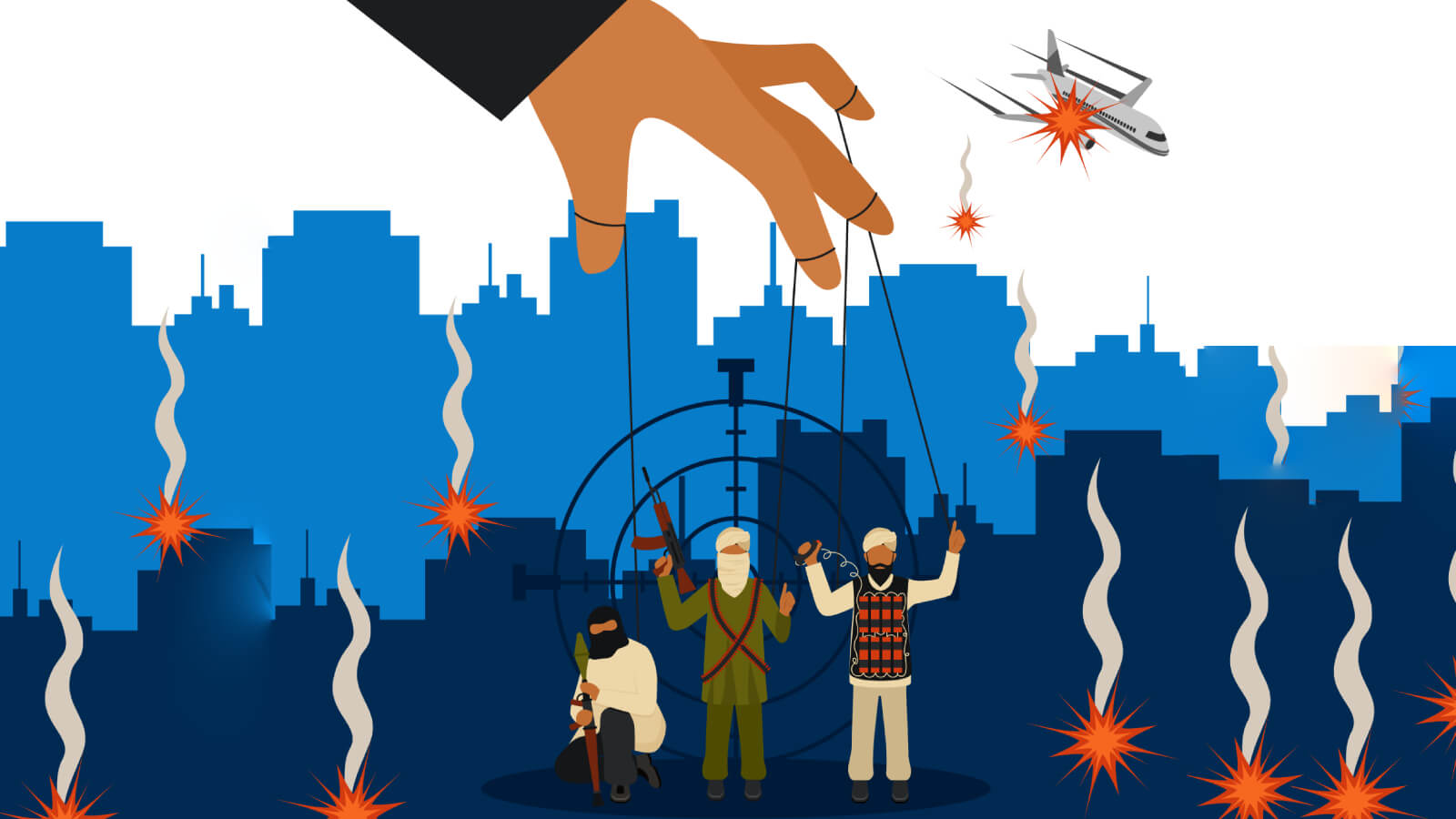
Opening Reflection:
You cannot bomb an ideology.
You cannot shoot away a belief.
You cannot cage pain and expect peace to bloom.
And yet, that’s often our first response, isn’t it? Something terrible happens, and we strike back—harder, louder, more violently—hoping that somehow, this time, it will end the madness.
But what if violence only recycles itself, wearing new masks with each generation?
What if the real question isn’t “How do we punish terrorists?” but:
How do we stop making more of them?
The Eye-for-an-Eye Dilemma
History has shown it repeatedly: revenge does not heal. It satisfies a momentary wound, yes—but often at the cost of deeper, future damage. Entire communities become collateral damage. New enemies are created. Old ones grow more vengeful.
It’s a cycle.
And as Mahatma Gandhi once said, “An eye for an eye makes the whole world blind.”
But here’s the twist: choosing not to retaliate doesn’t mean being weak. It means being wise.
Dwij Principle: Sewa aur Saath (Service and Togetherness)
To live, Dwij, is to commit to conscious service—not the kind where you offer help from a pedestal but the kind where you kneel with someone in pain and say, “I see you.”
Saath means walking with—not ahead, not above. It means connection.
When people feel truly seen, valued, and supported, they become less susceptible to violent ideologies. Terrorism thrives in spaces where loneliness festers. When we build community, we build immunity.
So, How Do We Prevent Terrorism Without Losing Our Humanity?
Let’s explore five absolute, actionable paths rooted in compassion and consciousness:
1. Education That Heals, Not Just Informs
We’ve spent decades teaching children facts, equations, and dates. But have we taught them how to manage anger? How do we disagree without hatred? How do we process grief?
Emotional education is the first vaccine against extremism.
It helps children understand themselves before someone else teaches them who to hate.
Living Dwij means championing education that goes beyond IQ—nurturing empathy, resilience, and inner wisdom.
2. Inclusion Over Isolation
When someone feels excluded from society—due to religion, class, ethnicity, or appearance—they either shrink… or they explode.
Extremist groups prey on that sense of being left out. They offer “family,” “purpose,” and “identity.” But so can we—before they do.
Ask yourself:
Who feels unseen around me? Who needs to be invited in?
Sometimes, the prevention of terror begins with a warm plate of food or an honest conversation.
3. Interfaith and Inter-Community Dialogue
Hate often begins with ignorance. We fear what we don’t understand.
The solution? Talk. Listen. Share stories.
Host interfaith meetups. Create spaces where people of different beliefs can safely express themselves. You’d be surprised how often an “enemy” becomes a friend when you hear their pain firsthand.
4. Empowering Youth Before Extremists Do
Many terrorists are recruited between the ages of 15 and 25. Why? Because these are the years when identity is fragile, and belonging is everything.
What if we flooded this age group not with fear but with purpose?
Leadership programs. Mental health support. Skill-building. Creative outlets.
You don’t stop a fire by yelling at the flames. You water the roots.
5. Choosing Justice Over Vengeance
Justice means accountability with dignity. Vengeance is destruction dressed up as strength.
We must hold terrorists accountable, yes. But without becoming monsters ourselves.
Every time we respond with disproportionate violence, we confirm the terrorist narrative: “See? They hate us.”
But when we respond with clarity, restraint, and fairness—we break the script.
That is the power of Sanyam—the Dwij path of sacred restraint.
An Interactive Moment: Who Are You Radicalizing With Your Silence?
Ask yourself:
- Have I laughed at a joke that dehumanized someone?
- Have I stayed silent when someone was being stereotyped?
- Have I let fear guide my opinion instead of facts?
We all have influence. The question is—what are we using it for?
Closing Thoughts: Becoming the Bridge
We cannot prevent every act of terror. But we can prevent the fertile soil it grows in.
Not through force. Not through fear.
But by living deliberately, reaching out, staying grounded, and refusing to let hate have the last word.
To be Dwij means to become the bridge others have never had.
To stop the cycle not with another bullet—but with a presence so compassionate, so consistent, that violence has no place to grow.
The next chapter of the world is unwritten. How do you want to shape it?