
Why Does Terrorism Happen? A Conversation We’ve Been Avoiding
(Based on the live discourse of Param Dwij)
(परम द्विज के प्रवचन पर आधारित)
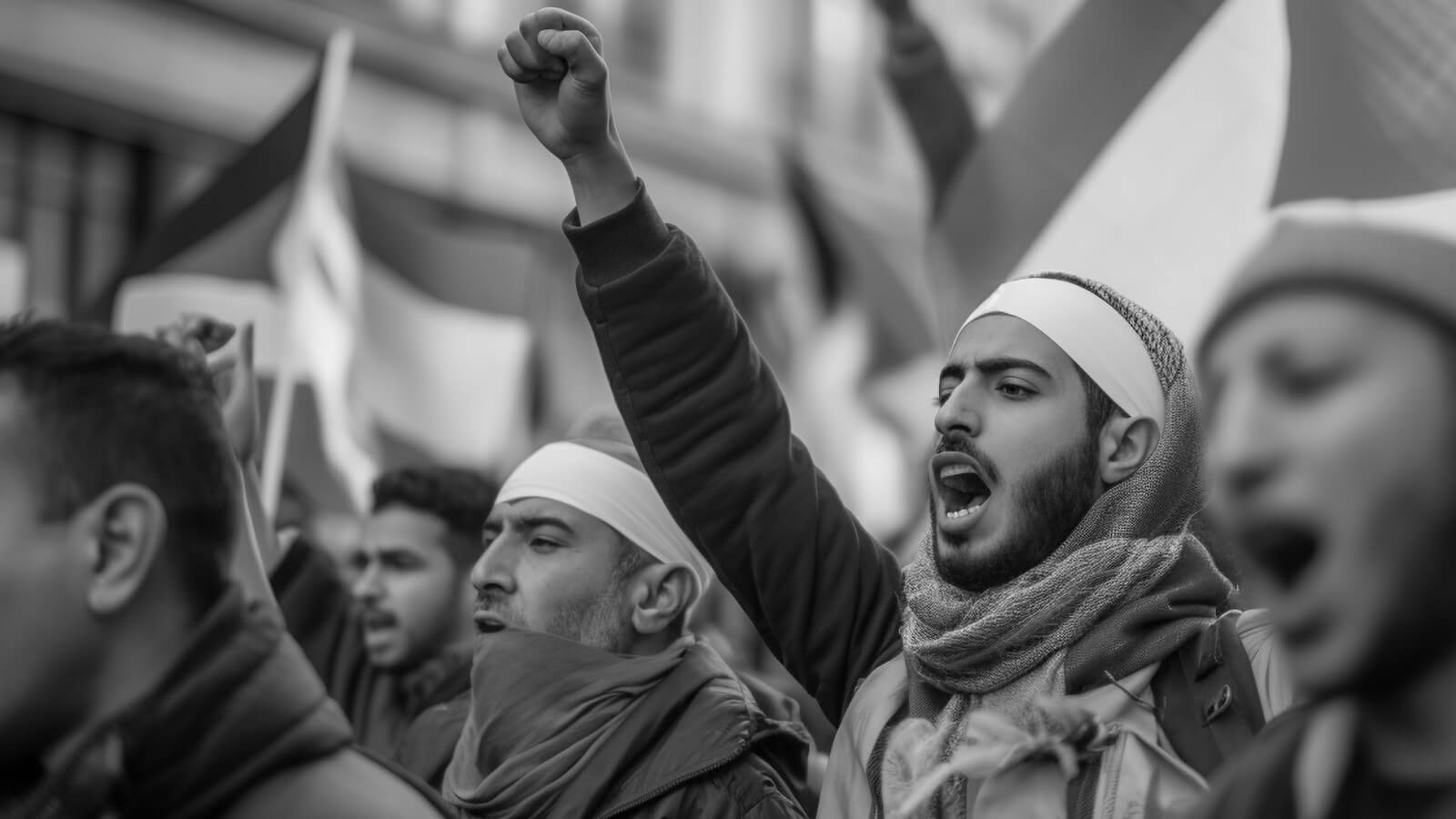
Opening Reflection:
What if I told you that every terrorist was once a child who cried like yours?
Would it change the way you read the headlines?
We often react to terrorism with outrage—and rightly so. But somewhere between the grief, the anger, and the hashtags, we rarely ask the deeper question: Why does terrorism happen? Not just what groups are involved or who funds them, but what goes so fundamentally wrong in the human psyche that violence becomes the chosen voice?
This is a conversation we’ve been avoiding. Today, let’s begin it—together, openly, and without flinching.
Beyond the Guns: Understanding the Soil of Hatred
Terrorism doesn’t grow in a vacuum. It needs soil—specific, often predictable conditions.
- Unhealed Trauma: Many terrorists come from regions soaked in violence and neglect. Broken homes, poverty, war zones—these experiences chip away at identity and belonging.
- Loss of Meaning: When people feel purposeless, they become vulnerable to dangerous ideologies that offer clarity, even if they are false. The human mind craves, meaning that the lungs crave oxygen.
- Systemic Injustice: Oppression—political, religious, or economic—often lays the foundation for rebellion. The terrorist narrative then paints destruction as “justice.”
- Isolation: Alienation is a silent killer. When communities exclude, ignore, or stereotype, the outcast seeks to belong elsewhere—even in extremism.
But Isn’t That Justifying It?
No. And this is important. Understanding is not the same as justifying.
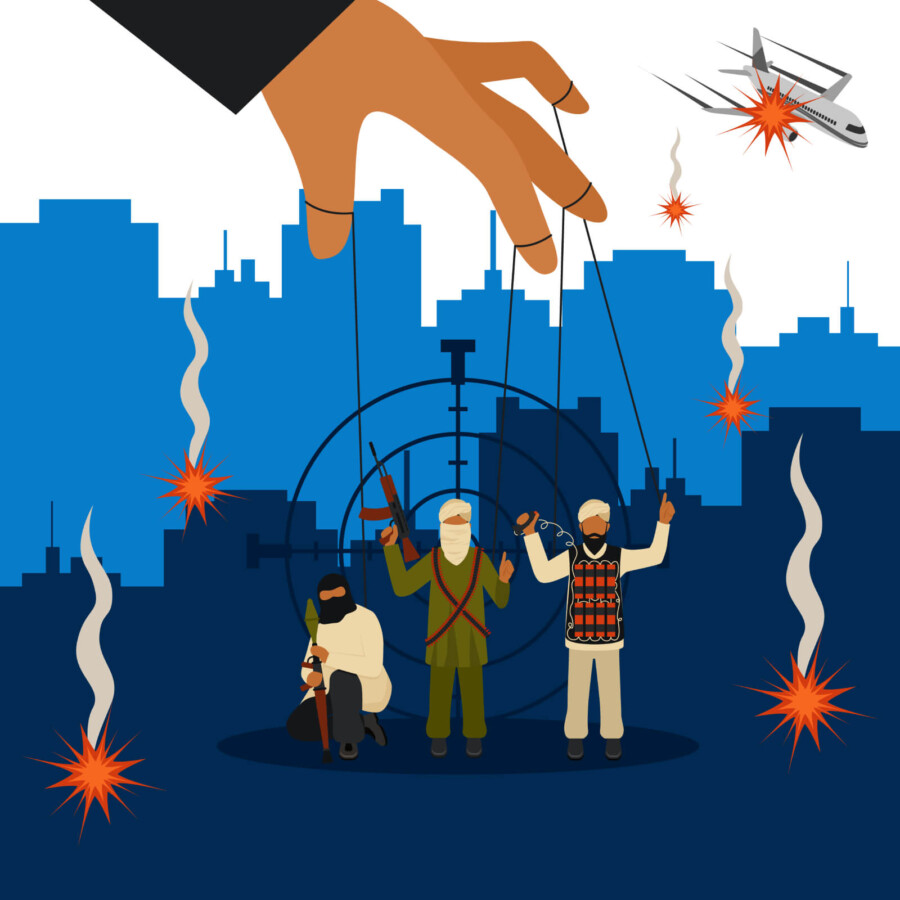
You can understand what leads to a forest fire—dry leaves, winds, a careless match—without excusing the person who dropped it. But without understanding the fire, you’ll never stop it from happening again.
This is where Living Dwij comes in.
The Dwij Lens: Listening Beyond Noise
One of the core Dwij precepts is Sah-anubhuti—empathetic awareness. It means feeling another’s pain not to excuse their actions but to understand their path. When we say “Living Dwij,” we mean choosing conscious rebirth—not just once but every moment. We see each human being not as a headline or a label but as a soul in conflict, a story in motion.
Yes, even the ones we fear.
Especially them.
The Danger of Dehumanization
It’s easier to call someone a monster. Harder to ask: what made them so? But every time we dehumanize the perpetrator, we lose our own humanity. We become reactive, not reflective. And that’s exactly how the cycle continues—revenge-feeding revenge.
So let me ask you:
Have you ever felt so unheard that silence turned into rage?
Maybe not on a national scale, but think smaller. Childhood bullying? Being ignored at work? Being misjudged in a relationship? Pain unspoken mutates. Multiply that by years of injustice, and the outcome isn’t hard to imagine.
A Child Once Laughed There
Every terrorist was once a child—laughing in a field, clinging to their mother’s sari, or scared of the dark. They were not born to hate.
But hatred was taught, conditioned, and rewarded because no one taught them anything else. No one intervened with compassion. No one whispered a better way when the world was screaming vengeance.
What Can We Do?
This isn’t just an issue for governments or soldiers. It’s a call to every conscious human.
Start with your immediate world. Ask:
- Who feels invisible around me?
- Am I listening without judgment, even to anger?
- Do I respond with empathy, even when I disagree?
These are not small acts. These are revolutions.
And if enough of us do them, the roots of terrorism begin to dry up—slowly, surely.
The Dwij Way Forward
Living Dwij means choosing conscious response over unconscious reaction. It means looking beyond the obvious, sitting with discomfort, and remembering that the world is not healed by punishment alone but by understanding, truth, and radical compassion.
Terrorism may never entirely disappear. But if we dare to ask why it happens—not in headlines, but in hearts—we move one step closer to a world where fewer children grow up to become weapons.
And maybe, just maybe, we start becoming the peace we keep asking others to create.